Jharkhand Reverse Buyer Seller Meet 2026
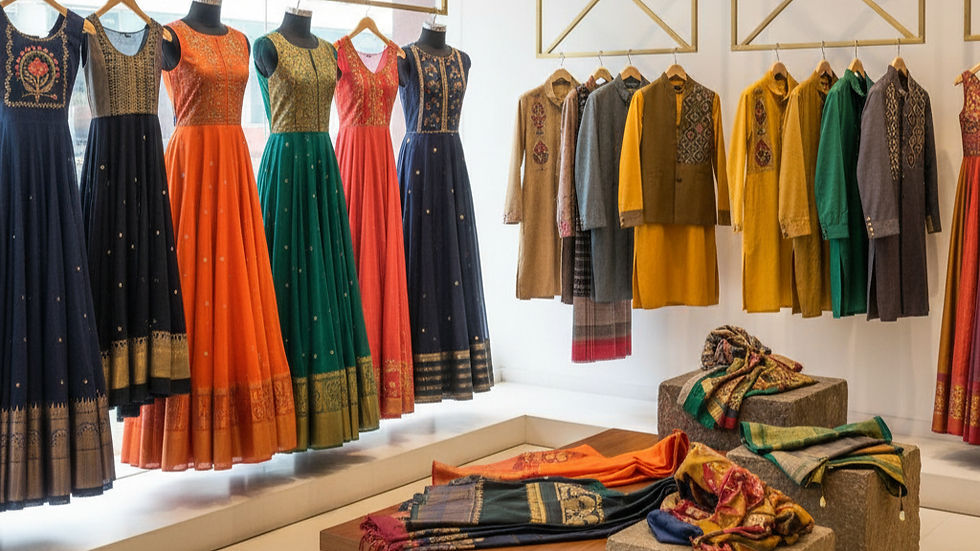
JHARKHAND REVERSE BUYER SELLER MEET 2026
Meet leading manufacturers and artisan enterprises from Jharkhand in pre-scheduled, one-to-one business meetings. The Meet is organised by the Jharkhand Industrial Infrastructure Development Corporation (JIIDCO), Government of Jharkhand, under the RAMP Programme.
Two Focus Sectors
1. Automobile and Auto Components
2. Handicrafts, Handloom, Textiles and Apparel
Automobile and Auto Components
Eastern India's auto components hub
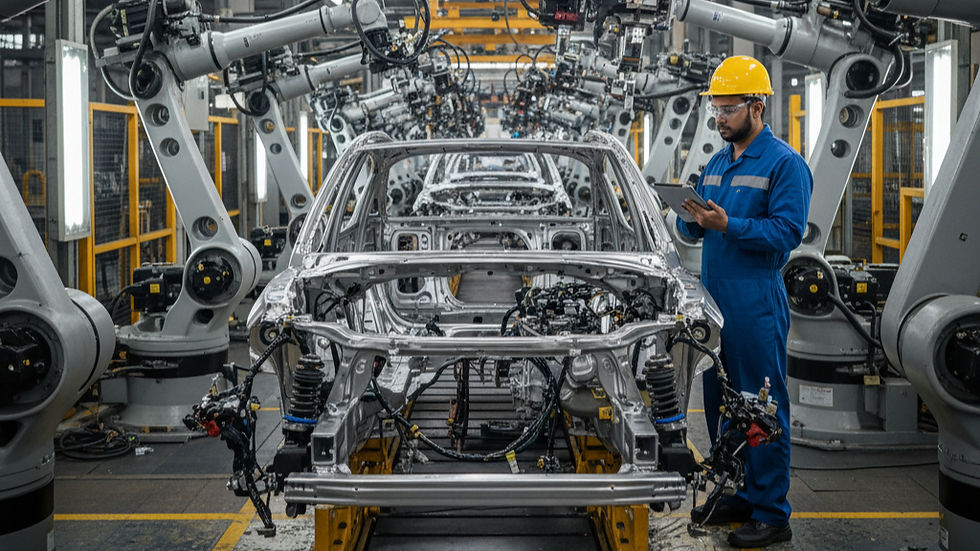
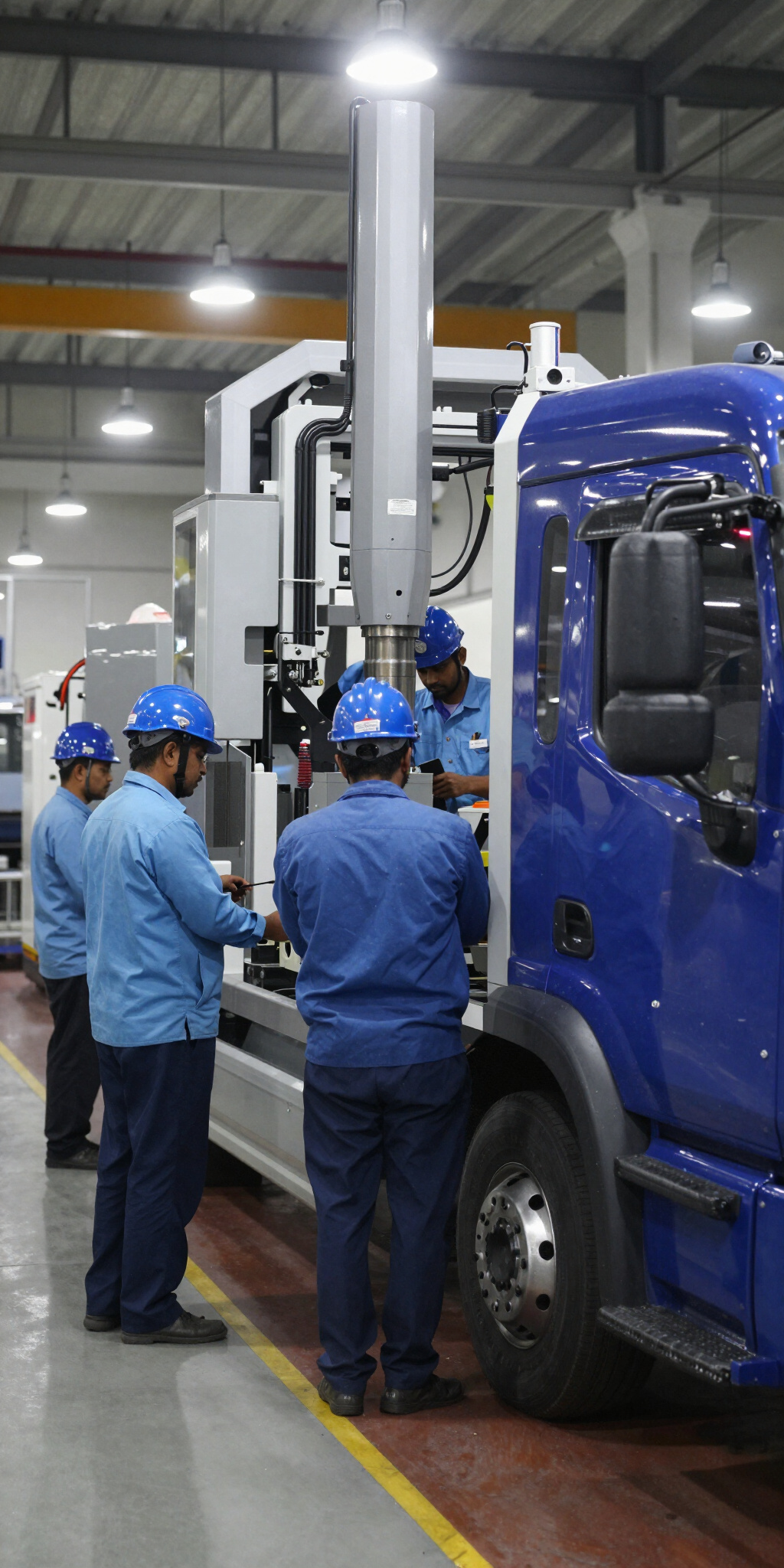
The Jamshedpur–Adityapur belt is eastern India's largest auto cluster. More than 600 auto ancillary units operate in the Adityapur region, directly employing over 25,000 people, and they have supplied commercial vehicle manufacturers for decades. Global engineering names such as Tata Motors, Cummins and Timken manufacture in and around Jamshedpur.

Why source auto components from Jharkhand
- Raw material at the doorstep. Steel, iron ore and coal are produced within the state, and auto-grade steel is made a few kilometres from the cluster. This keeps input costs and lead times low for metal components.
- A century of manufacturing. Tata Steel has made steel in Jamshedpur since the early 1900s, and Tata Motors has built commercial vehicles there since the 1950s. Suppliers are used to the quality demands of large manufacturers.
- Shared technical facilities. The Adityapur Auto Cluster gives its units a testing centre, design lab, tool rooms and calibration facilities that smaller manufacturers could not afford alone.
- Access to ports. The cluster is within roughly 300 km of the ports of Kolkata and Haldia, and the Eastern Dedicated Freight Corridor passes through the state.
- Ready for new customers. Many suppliers are now looking beyond their traditional domestic customers and building export business. An electric vehicle cluster is also being planned.
Vehicle segments served
What you can source
- Two-wheelers and three-wheelers
- Passenger vehicles
- Light and heavy commercial vehicles
- Tractors and farm equipment
- Earthmoving, mining and construction equipment
- Railway wagons, coaches and equipment
- Electric vehicles
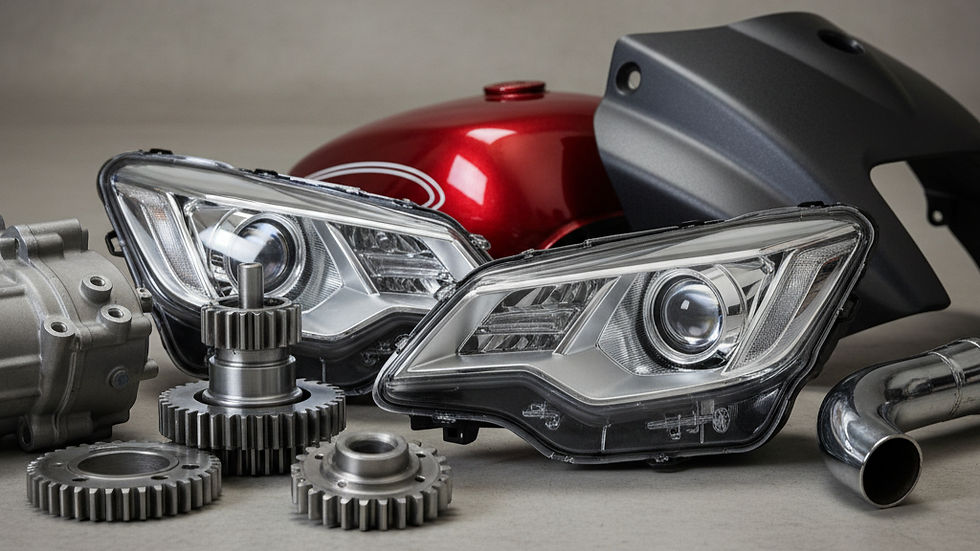
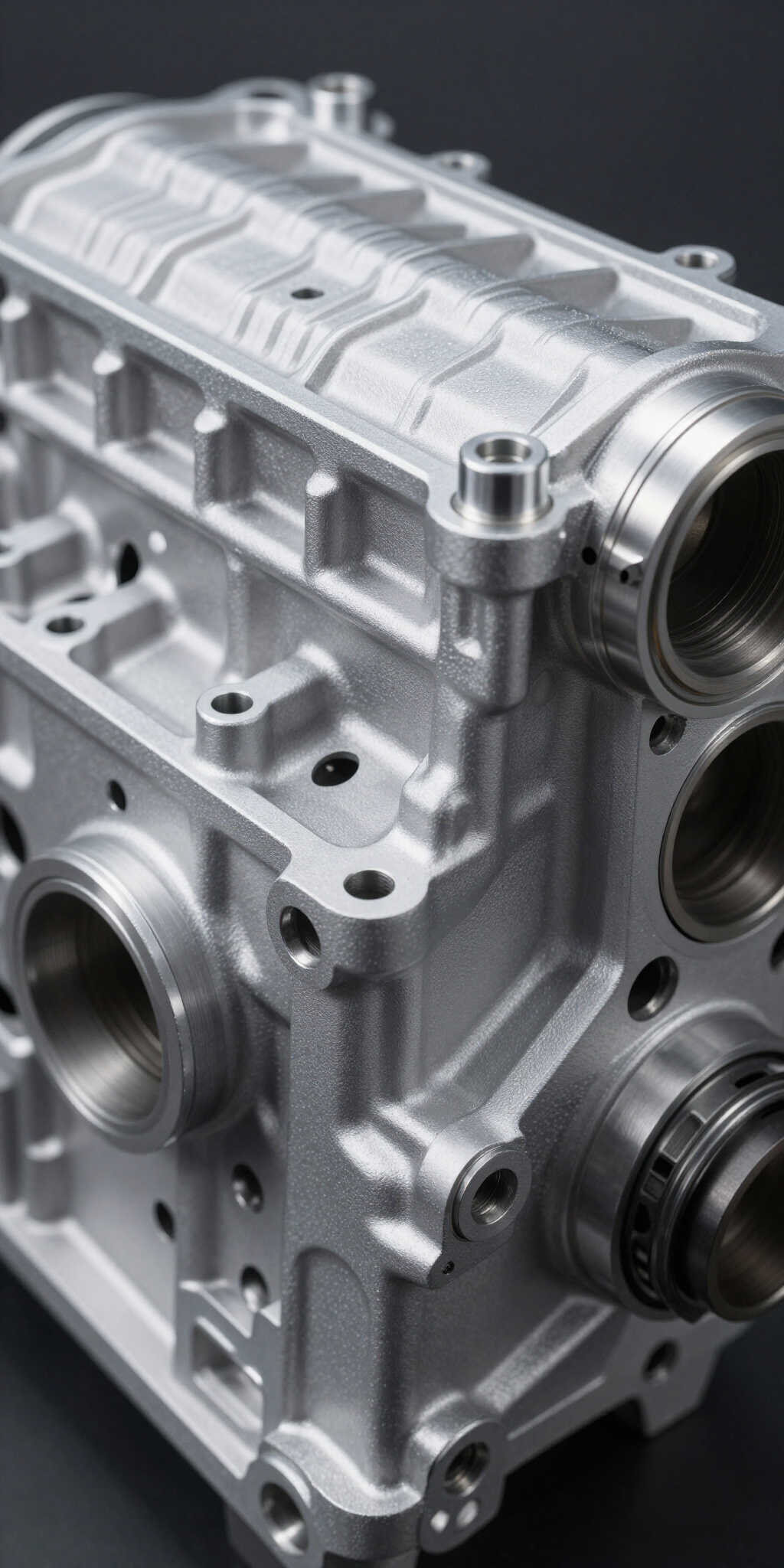
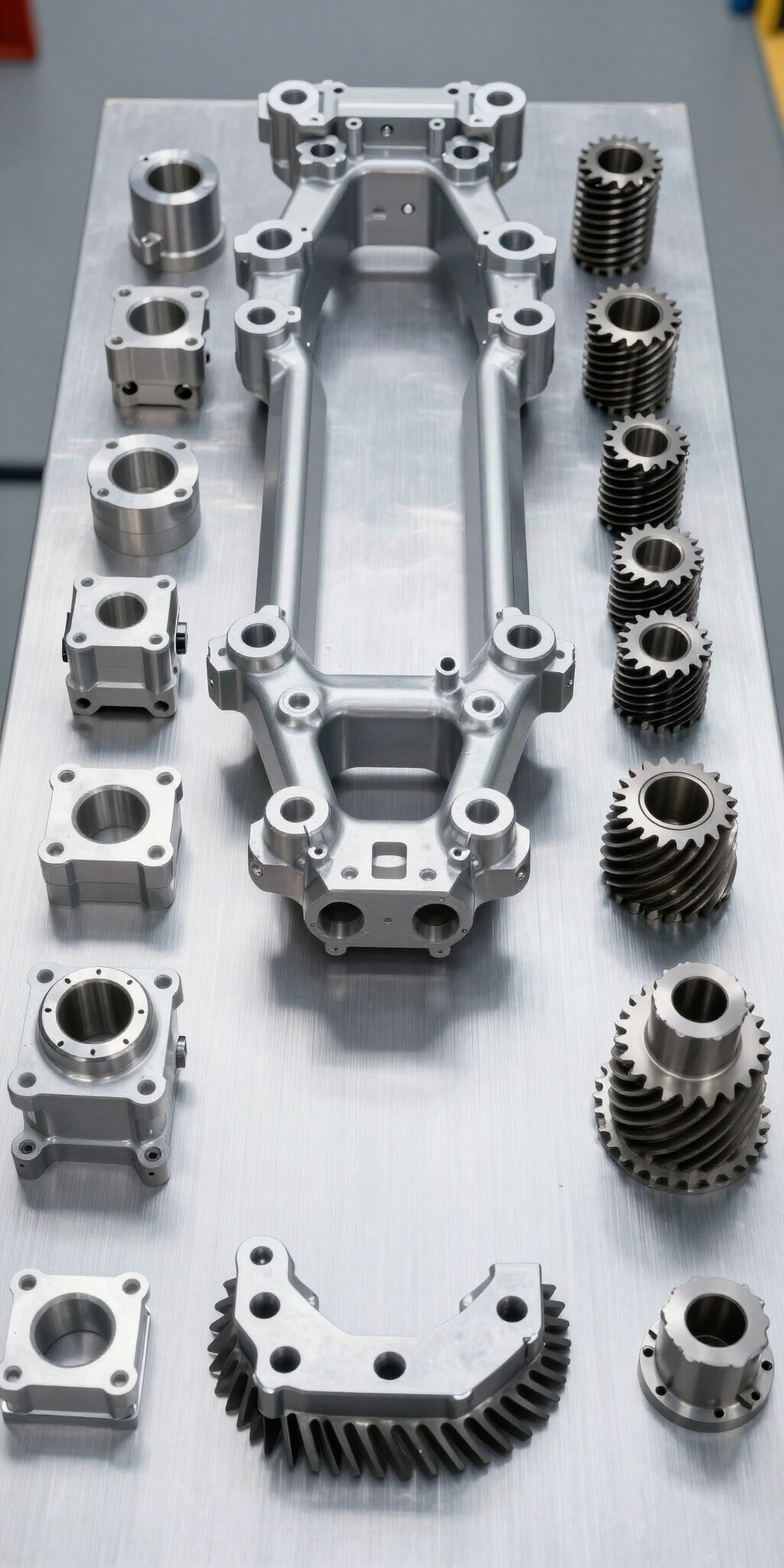
- Forgings, castings and precision machined parts
- Sheet metal, pressed parts and fabricated assemblies
- Engine components
- Drive transmission and steering parts
- Suspension and braking parts
- Electricals and electronics
- Cooling and fuel injection system parts
- Rubber components
- EV components
At the Meet
Selected auto component manufacturers from Jharkhand will display their products and hold one-to-one meetings with international buyers on 16 December. Interested buyers can visit sellers' factories on 17 December.
Handicrafts, Handloom, Textiles and Apparel
The home of tasar silk and tribal craft
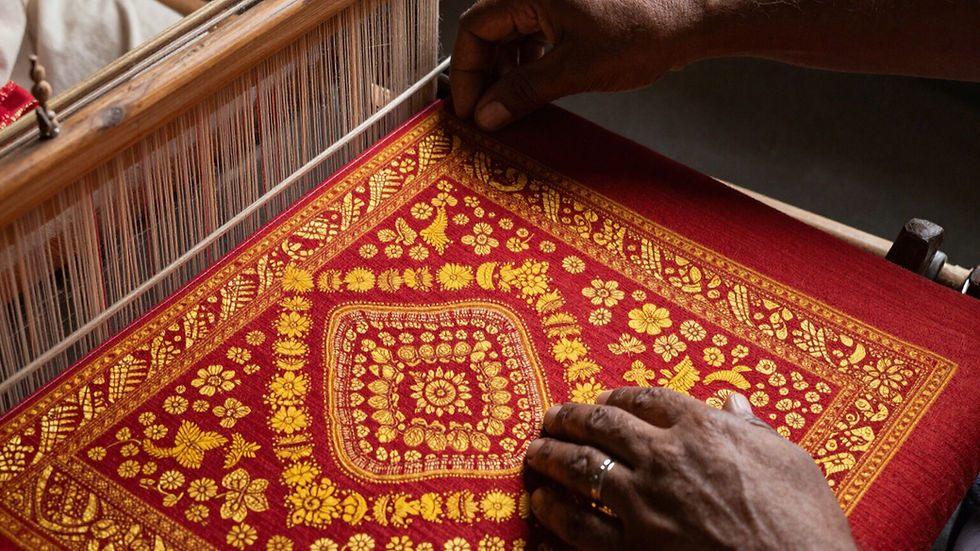
Jharkhand is India's leading producer of tasar (tussar) silk, a wild silk with a natural gold sheen and a textured feel. The silkworms are reared on forest trees, and the cocoons are reeled, spun and woven largely by women in village centres. The state's raw silk output has grown from about 90 tonnes in 2001 to about 1,363 tonnes in 2024–25, supported by 100 cocoon preservation centres.
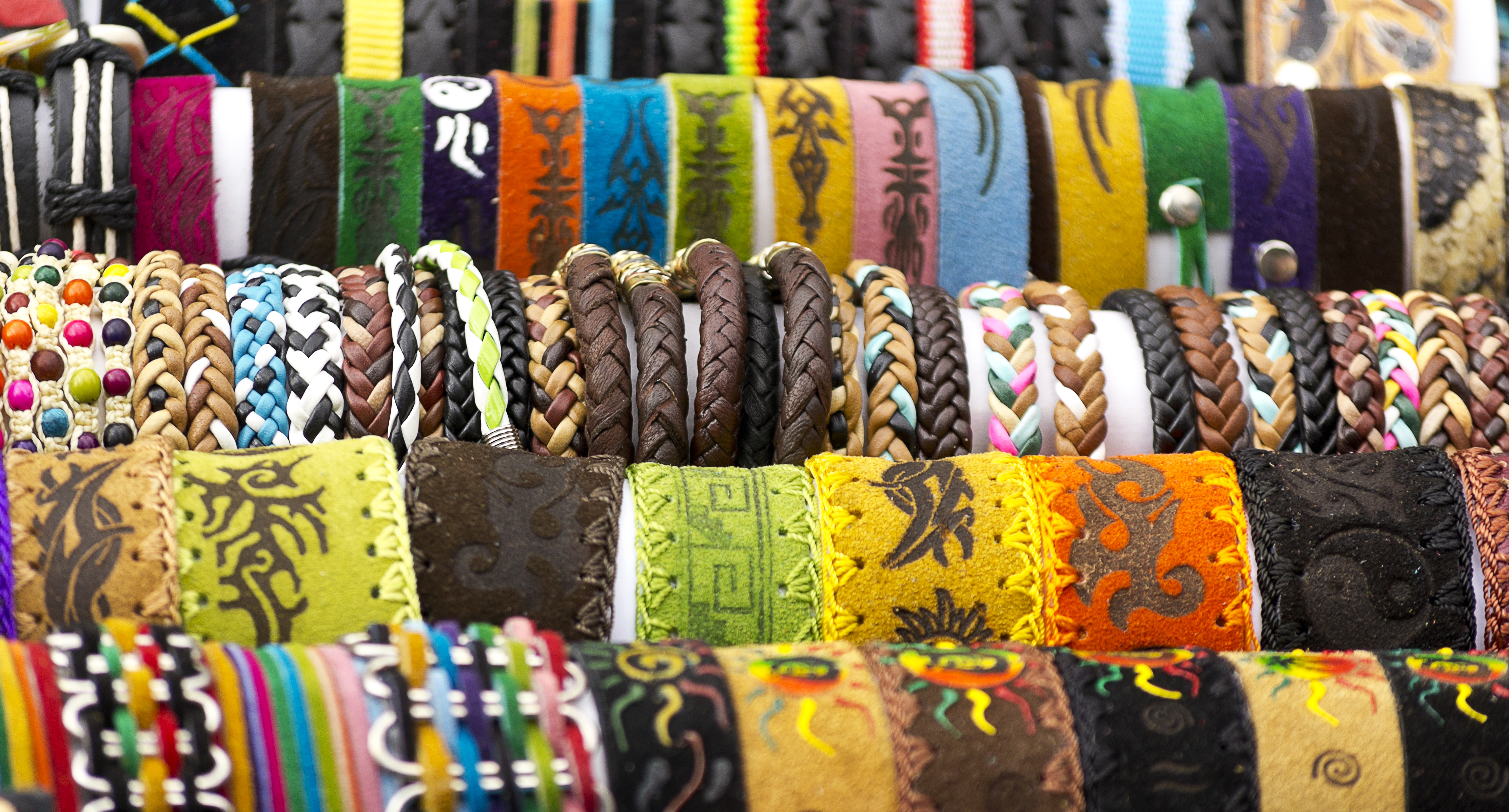
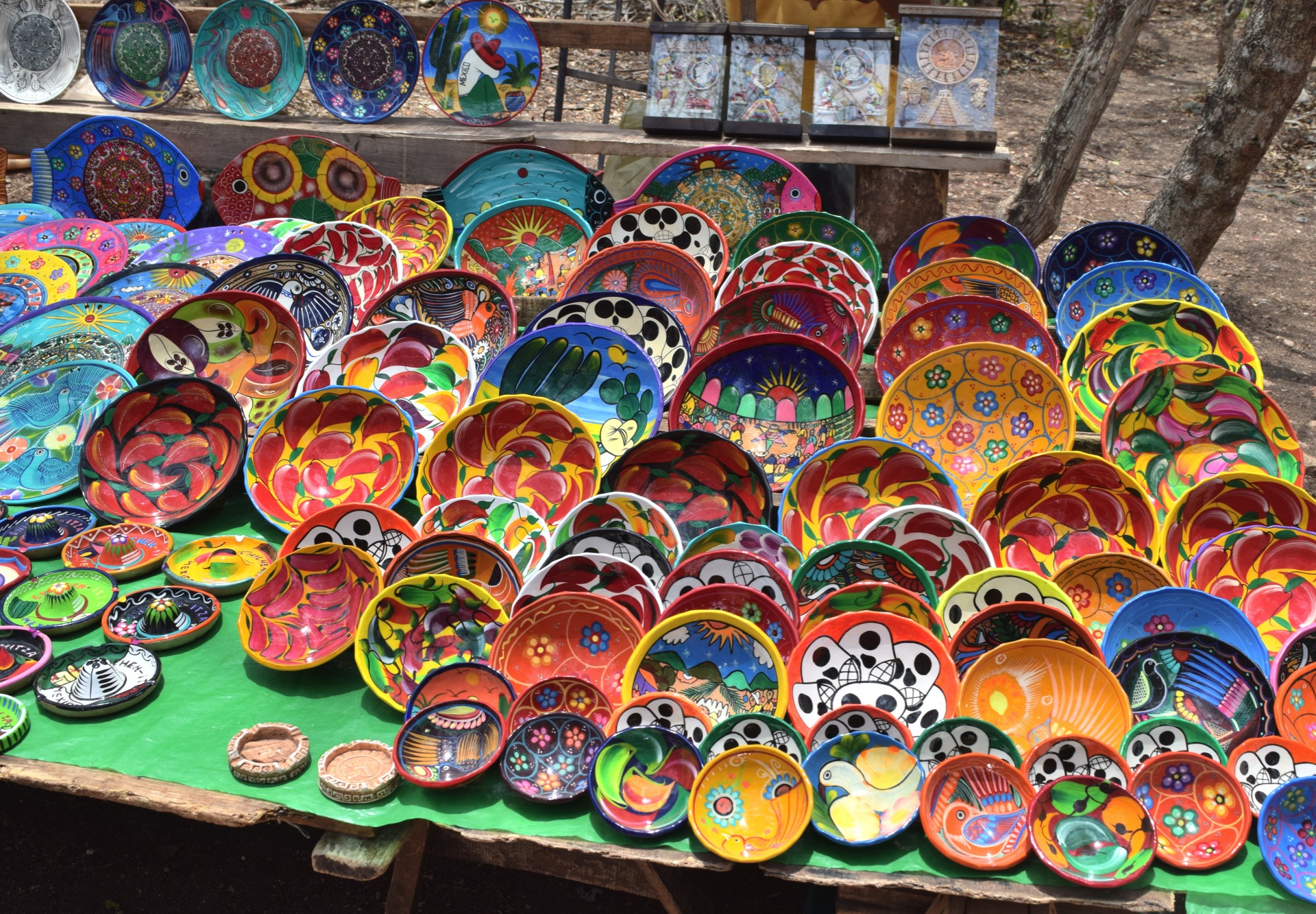
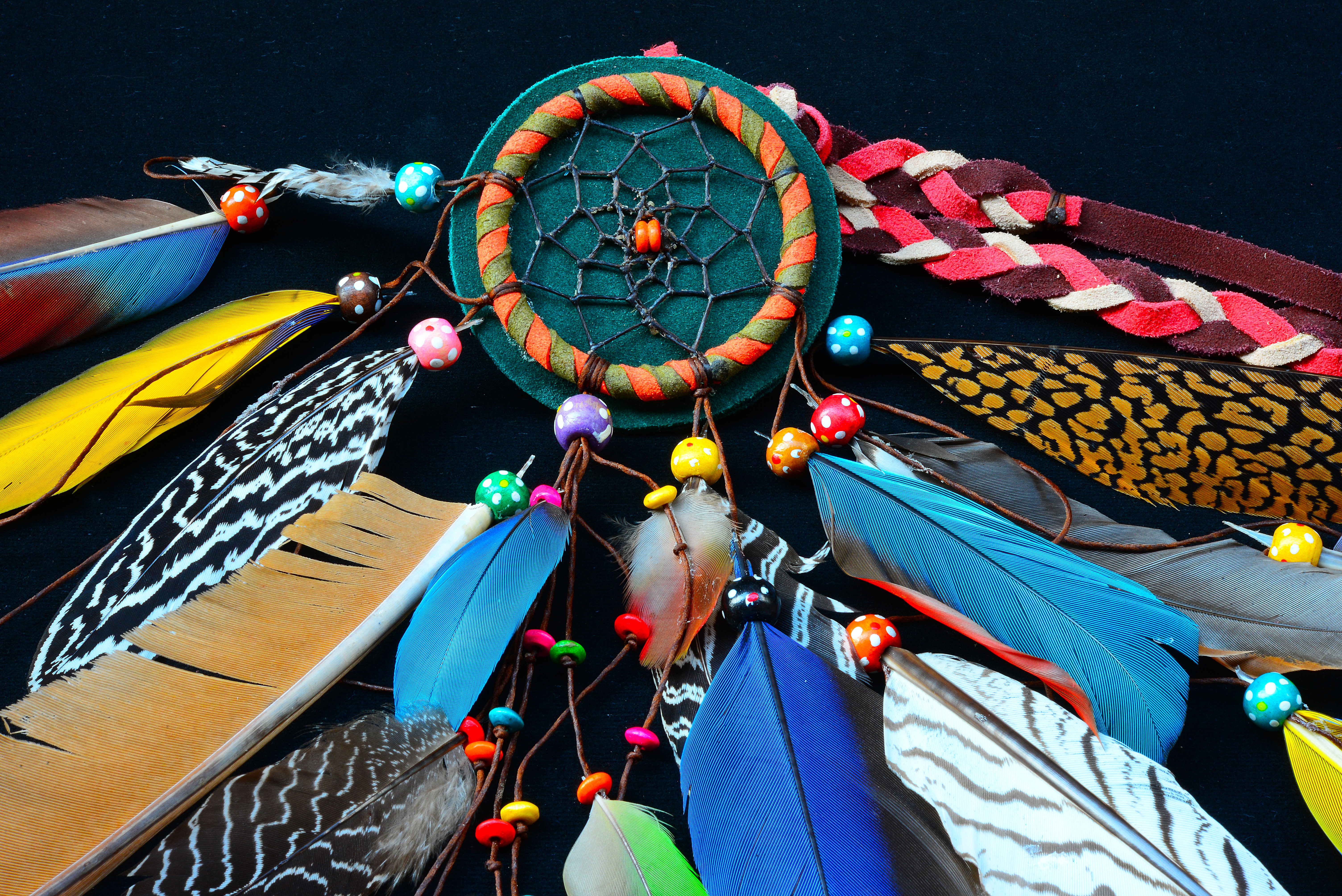
The state's crafts draw directly on nature and on tribal tradition. In June 2026, eleven Jharkhand products received Geographical Indication (GI) tags, among them Tussar Silk and Sarees, Kuchai Silk Saree, Dokra Craft, Jharkhand Bamboo Craft and Munda Jewellery. Sohrai painting already holds a GI tag.



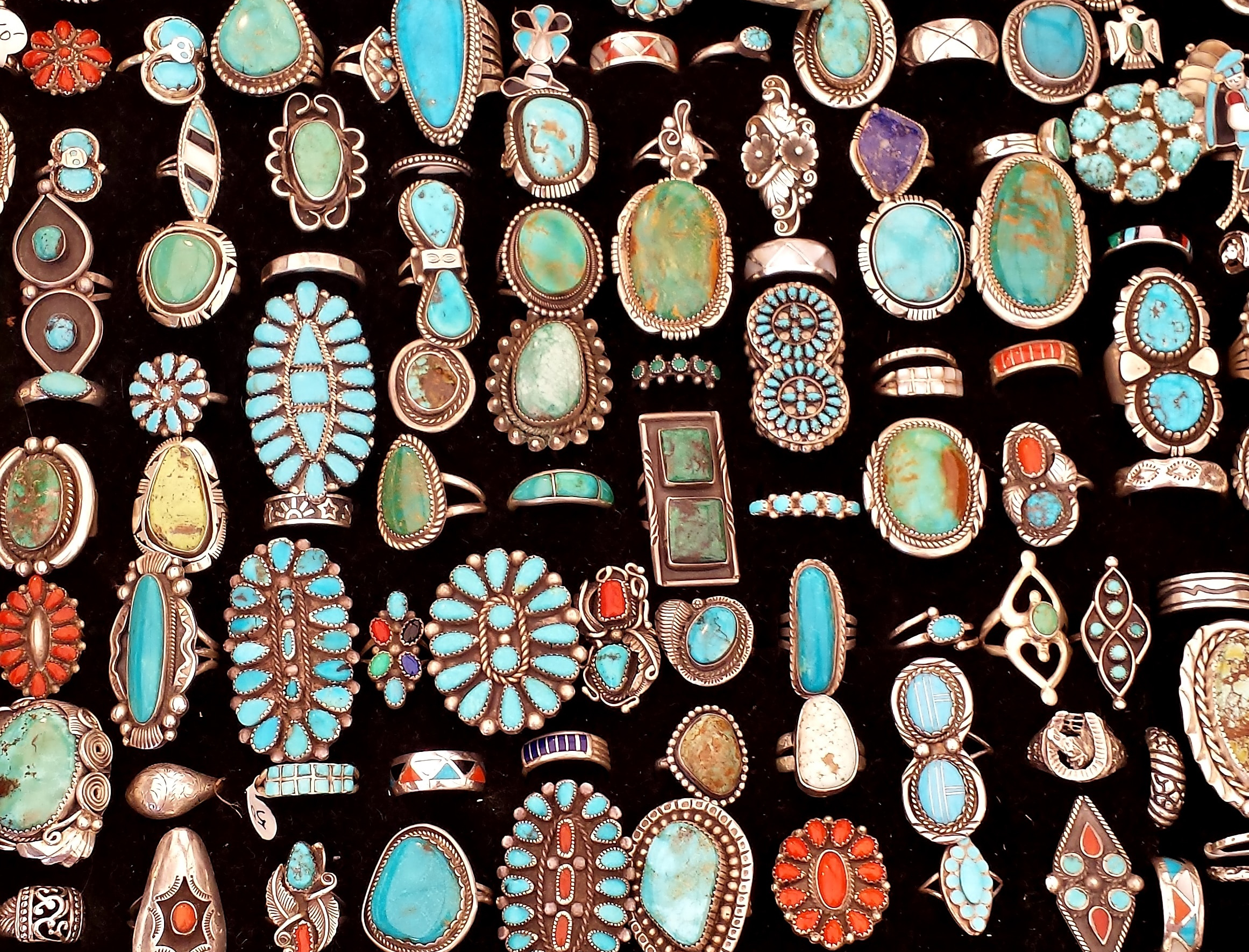
Why source textiles and craft from Jharkhand
- Products found nowhere else. Twelve Jharkhand products are protected by GI tags, which certify their origin.
- Natural and handmade. Tasar is a forest silk, and most products are made by hand from natural materials.
- Orders that support livelihoods. Much of this sector is run by women artisans and self-help groups, so every order supports rural families directly.
- Institutional support. Jharcraft, the state's silk, handloom and handicraft development corporation, works with artisans and weavers on design, quality and marketing.
Signature products
What you can source
- Tasar silk: fabric, sarees, stoles and made-ups in natural and dyed shades.
- Sohrai painting: a tribal art traditionally painted by women on the walls of their homes in natural earth colours, now also made on textiles and décor.
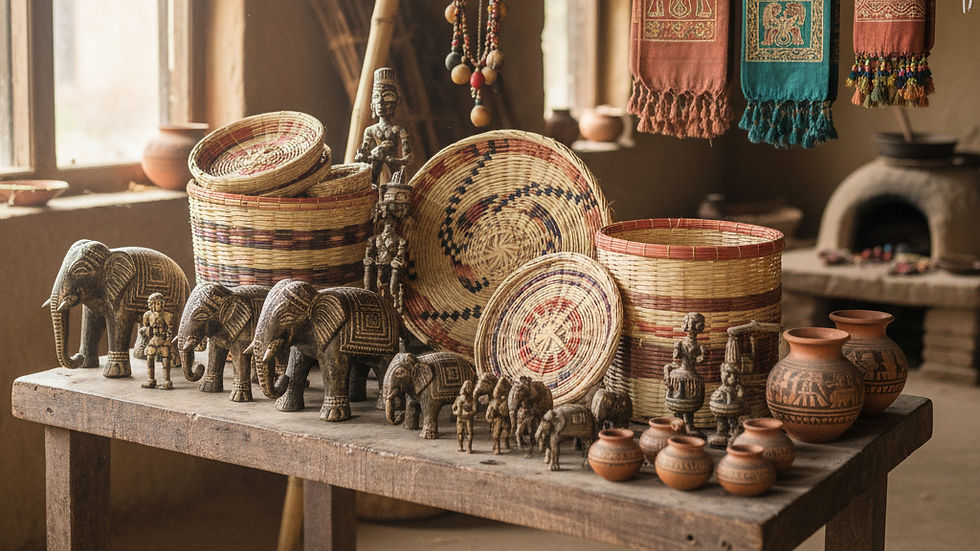
- Dokra: metal figures, jewellery and décor cast by the ancient lost-wax method.
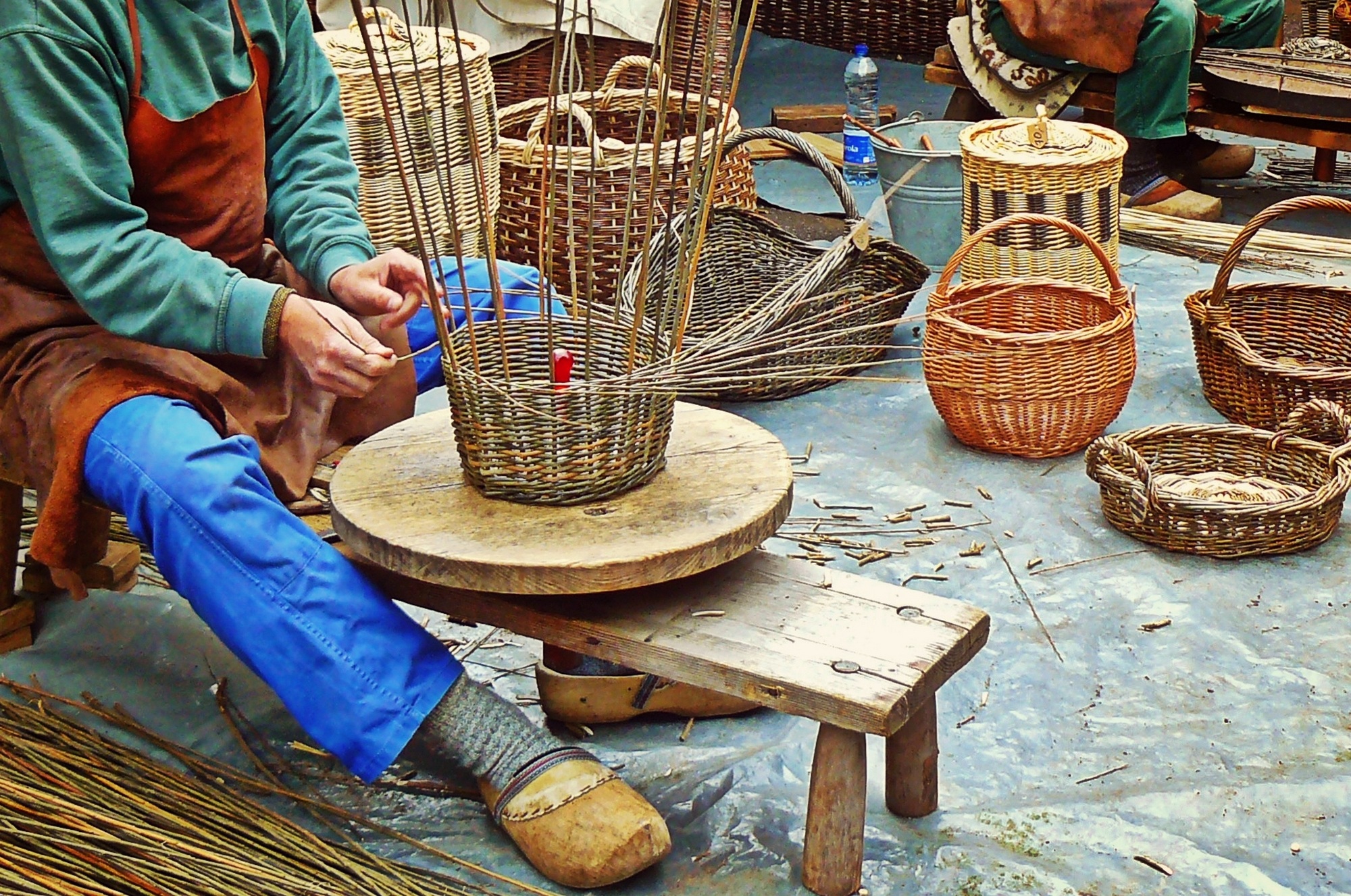
- Bamboo and cane craft: furniture, baskets and decorative products.
- Tasar silk fabric, sarees, stoles and made-ups
- Cotton handloom fabric and garments
- Hand embroidery, appliqué and zardozi work
- Sohrai and other tribal hand-painted textiles and décor
- Dokra metal craft and jewellery
- Bamboo, cane and wood craft
- Terracotta, lac and jute products
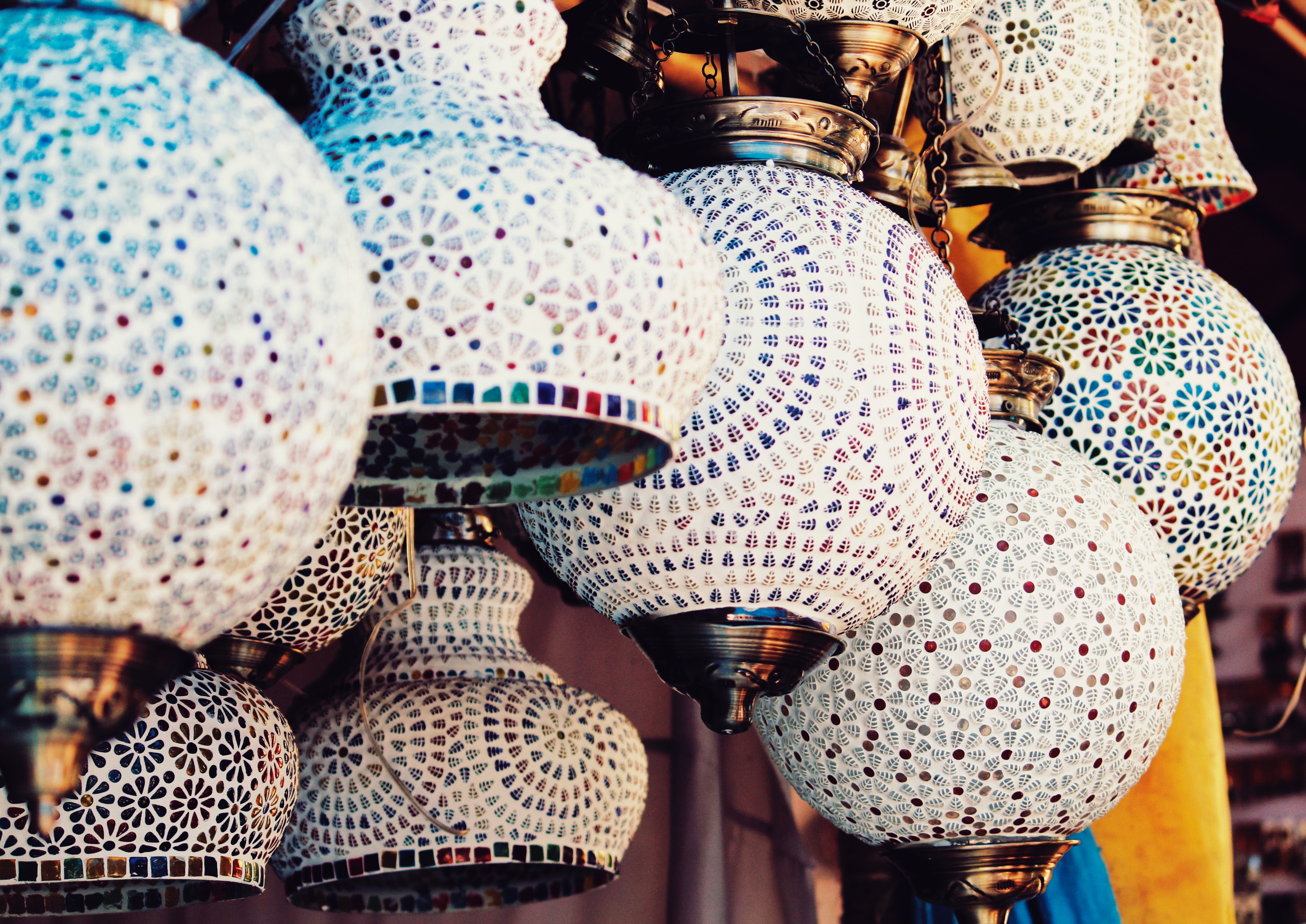
- Home textiles and furnishings
At the Meet
Selected artisan enterprises, weavers' groups and manufacturers from Jharkhand will display their products and hold one-to-one meetings with international buyers on 16 December. Interested buyers can visit sellers' units on 17 December.
About Jharkhand
Eastern India's auto components hub and the home of tasar silk
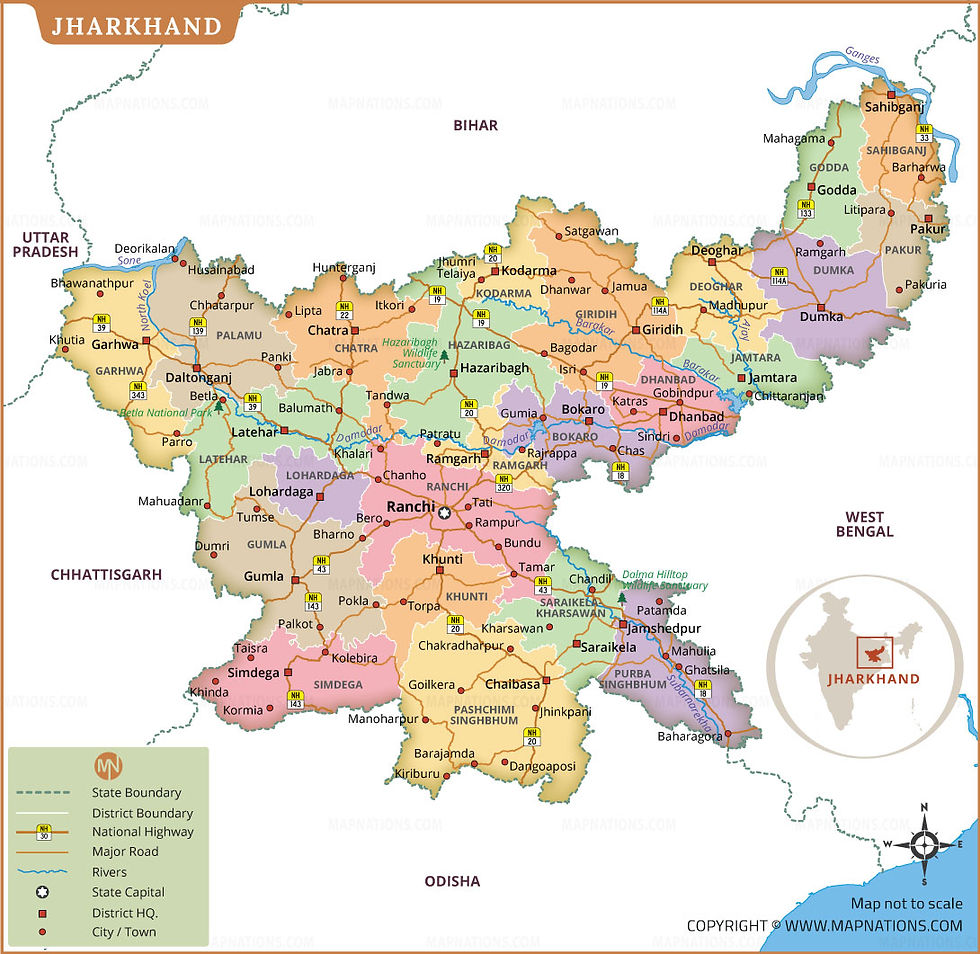
Jharkhand lies in eastern India and became India's 28th state on 15 November 2000. The name means 'land of forests', and close to 30% of the state is still under forest cover.
Beneath those forests lies about 40% of India's mineral wealth. That resource base built India's first steel city, Jamshedpur, more than a century ago, and it has since given the state one of the country's deepest engineering and metalworking supplier bases. Alongside this industrial strength, Jharkhand's tribal communities have kept alive craft and weaving traditions found nowhere else.
Jharkhand at a glance
Capital
Ranchi
Area
79,714 sq km
(A little smaller than Austria)
Economy
US$ 65 billion
Exports
(State GDP 2025–26)
US$ 2.4 billion
(37.5% Engineering Goods)
The organiser
About JIIDCO
The Jharkhand Industrial Infrastructure Development Corporation Ltd. (JIIDCO) is a Government of Jharkhand company under the Department of Industries. It was incorporated in 2004 to develop and maintain the infrastructure that industry in the state needs to grow. Its Chairman is the Secretary of the Department of Industries.
JIIDCO is the state's nodal agency for industrial and cluster development. Its vision is 'Enriching Jharkhand through vibrant and sustainable industrial growth.'
What JIIDCO does
- Develops sector-specific industrial parks, including the Plastic Park at Deoghar, the Pharma Park near Ranchi and the Logistics Park at Dhanbad
- Supports cluster projects such as the Adityapur Auto Cluster, the Electronics Manufacturing Cluster, and textile and food parks
- Builds and upgrades infrastructure across more than 100 industrial areas in the state
- Provides technical support to the state's Single Window clearance system and to the Jharkhand Industrial Area Development Authority (JIADA)
- Implements MSME development and export promotion programmes, of which this Meet is one

The Event
Programme
Tuesday 15 December 2026
Arrival of international buyers and local sellers in Ranchi; orientation and briefing session.
Wednesday 16 December 2026
Main exhibition and scheduled one-to-one business matchmaking meetings throughout the day.
Thursday 17 December 2026
Optional field visits to manufacturing units, workshops, and artisan clusters in Jharkhand.
Why attend
For buyers
For sellers
- Access leading manufacturers from Jharkhand in a single venue
- Participate in pre-scheduled matchmaking meetings
- Source high-quality products at competitive industrial rates
- Benefit from full hosting services including travel and local hospitality
- Connect with vetted international buyers looking for new partners
- Showcase products and technical capabilities directly
- Explore export opportunities and global market trends
- Receive institutional support for global trade expansion
About Ranchi – The Host City
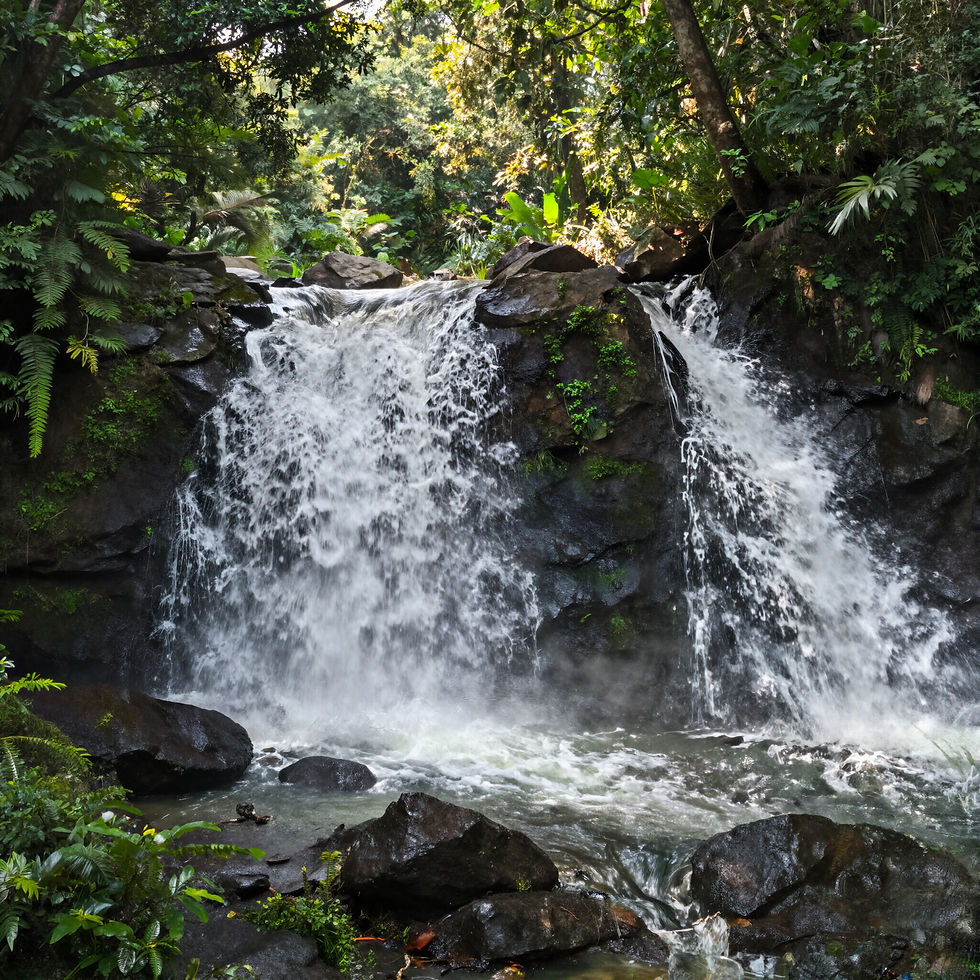
Ranchi, the capital of Jharkhand, is an engineering and administrative centre. Situated on the southern part of the Chota Nagpur plateau, it is known as the 'City of Waterfalls' for its scenic surroundings.
December in Ranchi
The weather in December is pleasant and cool, with daytime temperatures around 22°C to 25°C and evenings dipping to 8°C to 10°C. It is an ideal time for travel and outdoor visits.
Getting there
Birsa Munda Airport (IXR) connects Ranchi to major Indian hubs including Delhi, Mumbai, Kolkata, and Bangalore. The airport is central and well-connected to the main city areas.
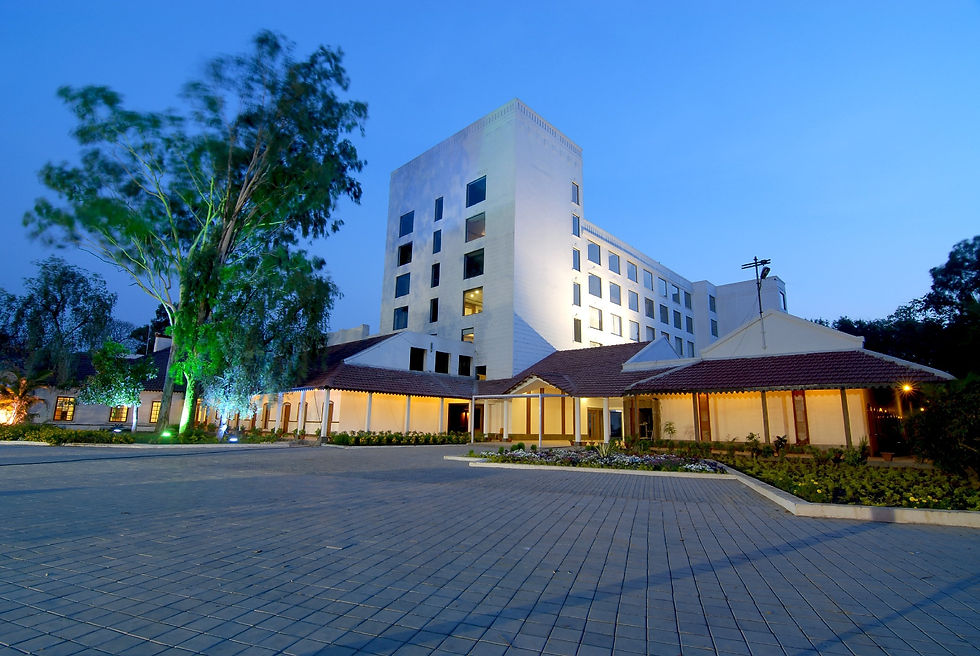
The venue: Chanakya BNR Hotel
The Chanakya BNR Hotel carries a heritage that dates back to the Indian Railways' legacy. Set in lush grounds, it provides modern confernce facilities with a colonial-era charm, located near the Ranchi Railway Station.
Organised by

Supported by